Bring Order to the Household Hub
Welcome to a practical, heart-centered hub for busy households. Today we dive into Family Command Center: Coordinating Calendars, Chores, and Communications, showing how one visible, shared space reduces chaos, builds routines, and keeps love at the center, while digital tools and simple rituals turn daily coordination into something calm, collaborative, and surprisingly fun.

Choosing the Right Spot

Traffic tells the truth about your routines. Stand where backpacks drop and shoes kick off, then choose a location people naturally pass when leaving and returning. If sunlight glares, shift left; if doors block views, mount higher. A command center that people accidentally see works far better than a gorgeous one hidden beyond the kitchen island.

Visual Hierarchy That Reduces Stress

What the eye meets first shapes behavior. Put dates and deadlines at the top, daily must-do tasks at natural eye level, and reference items like menus or library slips slightly lower. Use big headings, consistent typography, and calm color fields so decisions feel obvious. Research on habit formation supports clear cues, making follow-through feel almost automatic.

Anchors and Zones That Scale

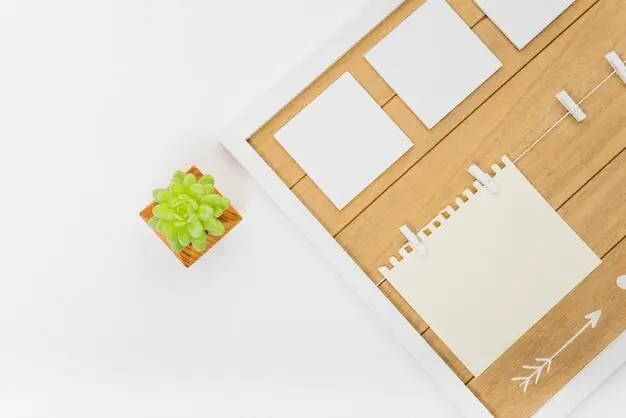
Start with anchors you will always use: a large monthly view, a family inbox, a small message board. Then add zones that grow without clutter, like magnet rails, slim shelves, or clipboards per person. When life expands with new activities, you simply attach another clipboard instead of rebuilding everything. Share your tweaks in the comments to inspire others.

Calendars That Everyone Actually Checks

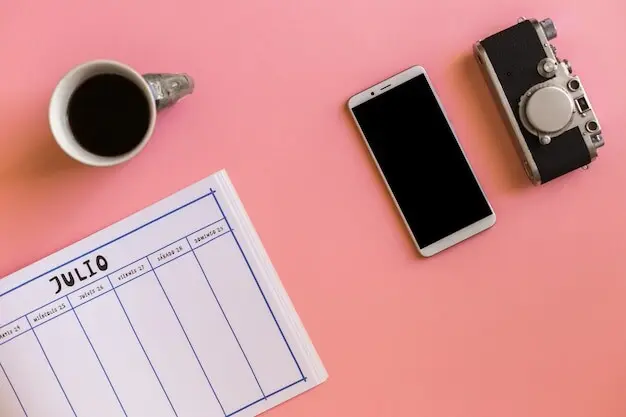
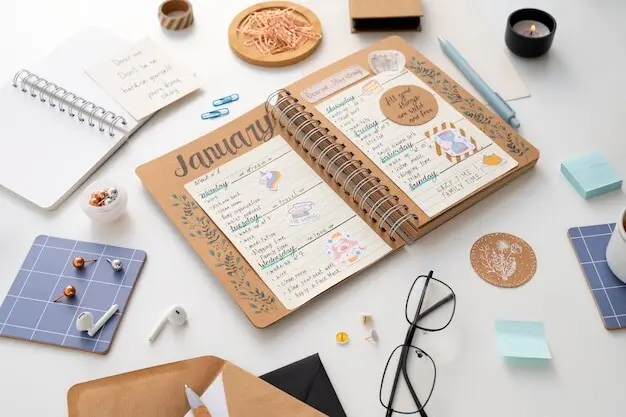
Calendars only work when everyone can and will check them. Blend a large monthly view for the family, personal week snapshots, and synced digital feeds, then attach routines that make glancing at dates automatic. Clear color rules, quick pens, and predictable refresh times turn intentions into reliable action.

Color Codes and Shared Legends

Assign each person a stable color and post a tiny legend right on the frame. Keep pens tied with elastic so the right shade is always available. Mark travel blocks boldly, school closures with patterns, and shared events with a neutral highlight. After dinner, do a two-minute scan together. Repeat nightly, and watch rushed mornings quietly disappear.

Digital Sync Without Notification Overload

Connect a shared digital calendar for invites and automatic updates, then mirror key items onto the wall for visibility. Turn off nonessential alerts, bundle reminders into predictable times, and batch-add recurring activities monthly. A simple rule helps: if it affects the household, it goes on both calendars. Fewer pings, more clarity, and better follow-through for everyone.

Rituals That Make Checking a Habit

Tie calendar reviews to moments that already happen, like breakfast plates on the table or backpacks on the bench. Ask one question each day: what is the most important place we need to be, and when do we leave. End with a small celebration, maybe a sticker square filled together. Consistency turns glances into dependable, family-wide coordination.

Chore Systems That Do Not Cause Arguments

Chore arguments often arise from hidden expectations and fuzzy ownership. Replace both with visible agreements, age-appropriate lists, and compassionate fallback plans. When effort is noticed publicly and swaps have rules, siblings cooperate more, parents stop nagging, and unfinished work becomes a solvable process instead of a personal failure.

Daily Brief and Two-Minute Huddles

Keep a small whiteboard for the daily brief: one headline, one time anchor, one contingency plan. Hold a two-minute huddle before leaving the house and again after dinner. Ask what changed, what is blocked, and who needs what. Short, predictable conversations build trust, minimize surprises, and help everyone feel included without turning evenings into meetings.

The Parking Lot for Ideas and Wishes

Create a dedicated space where ideas land without interrupting busy moments. A clipboard or cork strip labeled parking lot invites requests, from weekend hikes to new library cards. Review it at a weekly family meeting and pick a few wins. Capturing ideas respectfully shows kids their voices matter and keeps creativity from getting lost in noise.

Crisis Cards and Calm Scripts

Post laminated cards for late bus, lost keys, or sudden schedule swaps. Next to them, include calm words anyone can use when stress spikes. During a rough morning, reading the script models regulation and kindness. Over time, these tiny guides become muscle memory, turning chaotic detours into manageable bumps that do not derail the entire day.

The Three-Stage Paper Flow

Build an inbox for everything, a review slot for tonight, and an action rail with clips for signatures and returns. Date-stamp school forms, batch-sign during a set window, and photograph important items into a shared folder. At week end, recycle aggressively. Post your favorite labels and hacks below so others can borrow your beautifully simple system.

Landing Zones for Small Essentials

Hooks for keys, trays for wallets, and bowls for earphones save hours you never meant to spend hunting. Place them exactly where hands naturally pause. Use contrasting colors so tiny items stand out, and label lightly so guests understand too. When every object has a home, people relax, and leaving the house becomes a practiced, peaceful ritual.

Seasonal Rotations and Purge Rituals

As activities shift, retire last season’s clutter. Use a quarterly checklist to rotate sports gear, swap outerwear, and refresh labels. Tie the ritual to a fun moment, like hot cocoa after the final bin closes. Involving kids builds ownership, and donating still-good items spreads kindness. Share donation centers you trust to guide neighbors toward helpful choices.

Design That Sparks Joy and Sticks

Form supports function when it is delightful to use. Choose materials that forgive real life, colors that guide attention, and typography that reads from across the room. Small rituals, celebratory stickers, and family participation transform upkeep from chores into dignity, pride, and playful ownership.

Materials That Survive Real Life

Magnetic porcelain boards erase cleanly, while cork accepts pushpins forever. Consider washable markers, matte finishes to reduce glare, and rounded corners for safety. A narrow shelf can catch rolling markers before they disappear. Durability adds calm because tools always work. Tell us which surfaces survived spaghetti night and science projects, and we will compile a favorites list.

Lighting and Sound Cues for Attention

Good light turns squinting into understanding. Aim warm overhead light and add a small sconce to erase shadows. For routines, pair a gentle chime with the evening review so Pavlovian focus kicks in kindly. Subtle environmental cues beat loud alarms, maintaining dignity and momentum. Share your preferred lights or tiny chimes that made routines feel inviting.

Lentolumamexoloroviro
Privacy Overview

This website uses cookies so that we can provide you with the best user experience possible. Cookie information is stored in your browser and performs functions such as recognising you when you return to our website and helping our team to understand which sections of the website you find most interesting and useful.